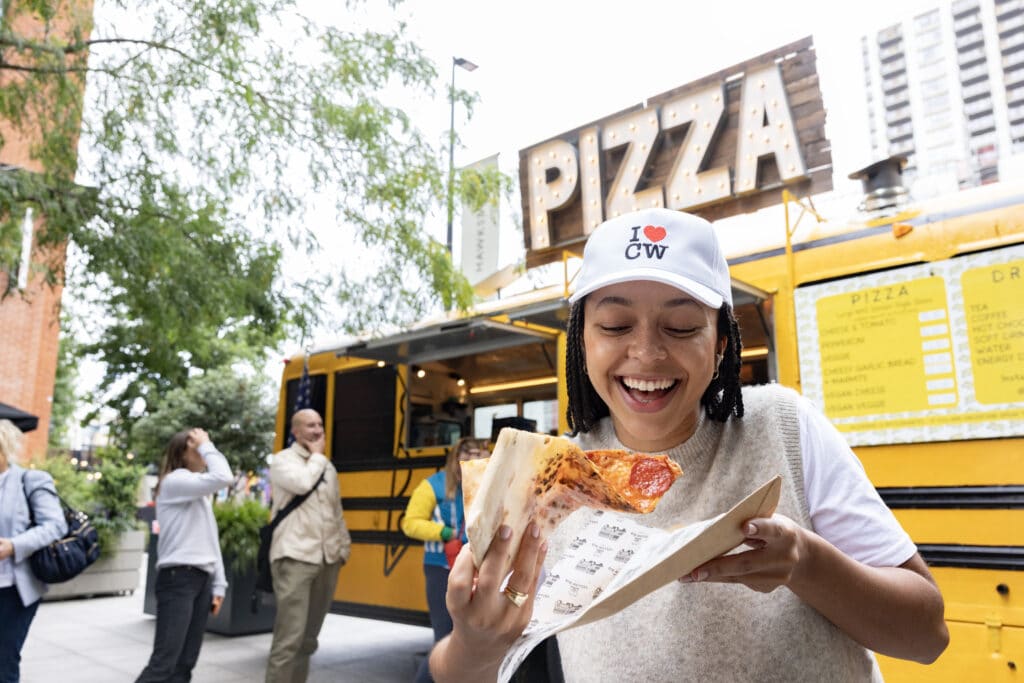
From viral cookies and loaded sandwiches to matcha bars and protein-packed snacks, trend-led foods are becoming the centrepiece of brand activations and pop-up experiences. But this isn’t just about following the latest craze. Brands across every sector, from fashion and beauty to technology and finance, are using food as a powerful way to attract audiences, create memorable experiences and generate social buzz. So why has food become the go-to ingredient for successful pop-ups?
Food Creates an Instant Connection
Food is universal. It evokes emotion, sparks conversation and brings people together. Unlike many traditional marketing tactics, food engages multiple senses at once, allowing consumers to see, smell, taste and interact with a brand in a way that creates a stronger emotional connection. Whether it’s a branded coffee cart, a bespoke cocktail menu or a limited-edition snack collaboration, food transforms passive audiences into active participants and makes the experience more memorable.
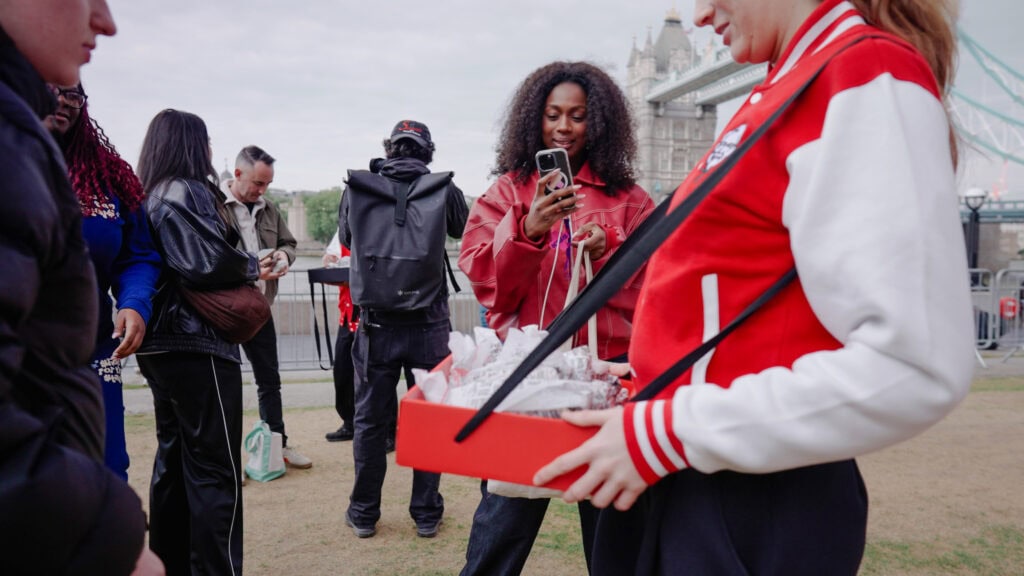
Trend-Driven Foods Generate Attention
Consumers are constantly looking for the next thing to try, photograph and share, with platforms like TikTok and Instagram accelerating the speed at which food trends emerge. From matcha and functional drinks to nostalgic comfort foods, globally inspired street food and customisable desserts, trend-led concepts tap into existing cultural conversations. By incorporating these trends into pop-ups, brands can increase footfall, encourage social sharing and create experiences people actively seek out.
Food Is No Longer Just for Food Brands
One of the biggest shifts in experiential marketing is that food is no longer reserved for food and drink brands. Fashion labels are opening cafés, beauty brands are creating dessert experiences and technology companies are serving personalised coffees at product launches. Food encourages visitors to stay longer, creates natural conversation starters and makes brand interactions feel more welcoming. It also reinforces brand personality, supports campaigns and product launches, encourages user-generated content and turns a simple activation into a destination.
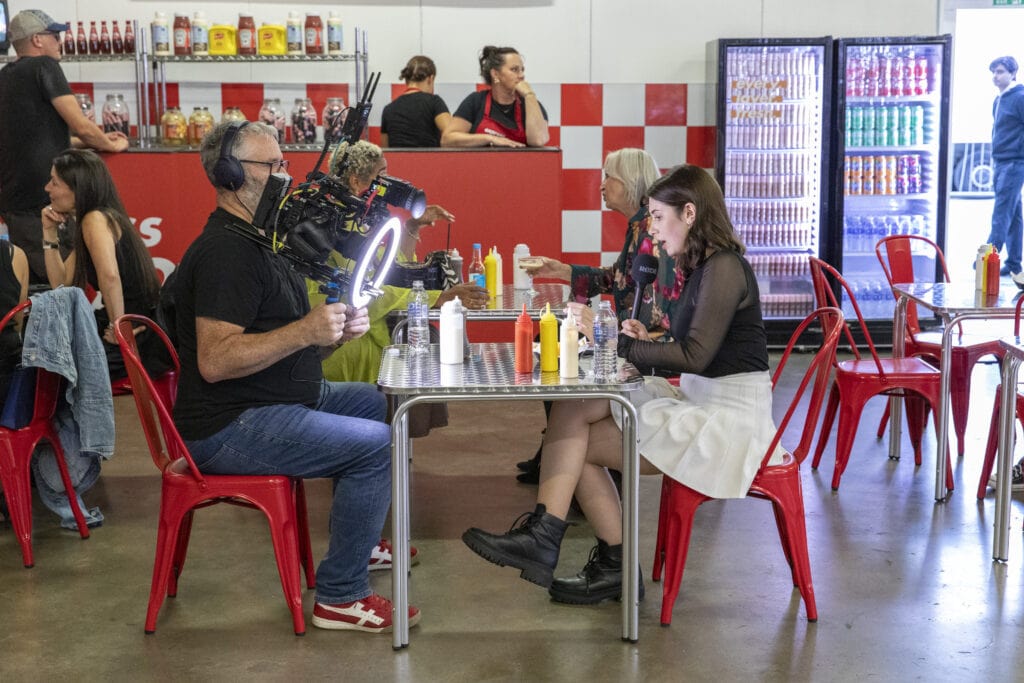
Why Pop-Ups and Food Work So Well Together
Pop-ups thrive on exclusivity, urgency and discovery- the same qualities that drive food trends. Limited-time experiences create a sense of FOMO, encouraging consumers to visit before it’s gone. Pairing this with a trend-led food concept gives brands an opportunity to test new ideas, reach new audiences, generate user-generated content, capture first-party data and create press-worthy moments, all while driving immediate awareness and sales.
What Makes a Food Pop-Up Successful?
Serving a trending product isn’t enough on its own. The most successful food activations connect naturally to the brand story while combining strong visual design, interactive moments, seamless service and opportunities for content creation. Influencer partnerships, thoughtful customer journeys and a clear data capture strategy ensure the experience delivers measurable results long after the pop-up closes.
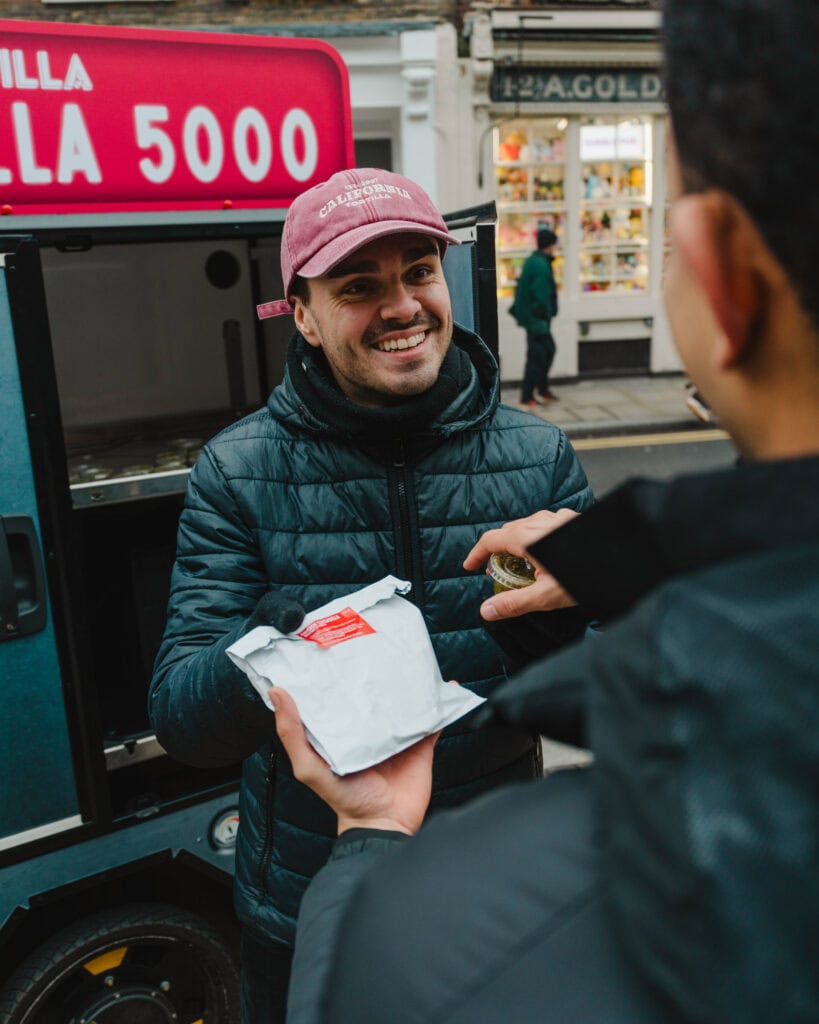
Looking Beyond the Trend
While viral moments can drive attention, longevity comes from authenticity. Consumers are increasingly looking for experiences that align with their interests, values and lifestyles. The most successful brands use trend-led foods as a gateway to tell a bigger story about their products, purpose or community. When thoughtfully integrated into a pop-up experience, food becomes more than a refreshment – it becomes a powerful marketing tool.
As brands continue to compete for consumer attention, trend-driven food experiences offer a unique way to create genuine connections. Whether it’s a limited-edition menu, a branded coffee cart or an immersive tasting experience, food has the power to transform pop-ups into memorable moments that audiences want to share. In an experience-first economy, the brands that win are the ones that create something worth tasting, talking about and coming back for.