Experiential marketing has evolved. Success is no longer measured solely by footfall – it’s measured by content, reach and cultural relevance.
Today’s most effective brand experiences are designed not just for the people in the room, but for the audiences watching through social media. As influencer marketing matures beyond one-off sponsored posts, brands are investing in immersive experiences that give creators something far more valuable: a story to tell.
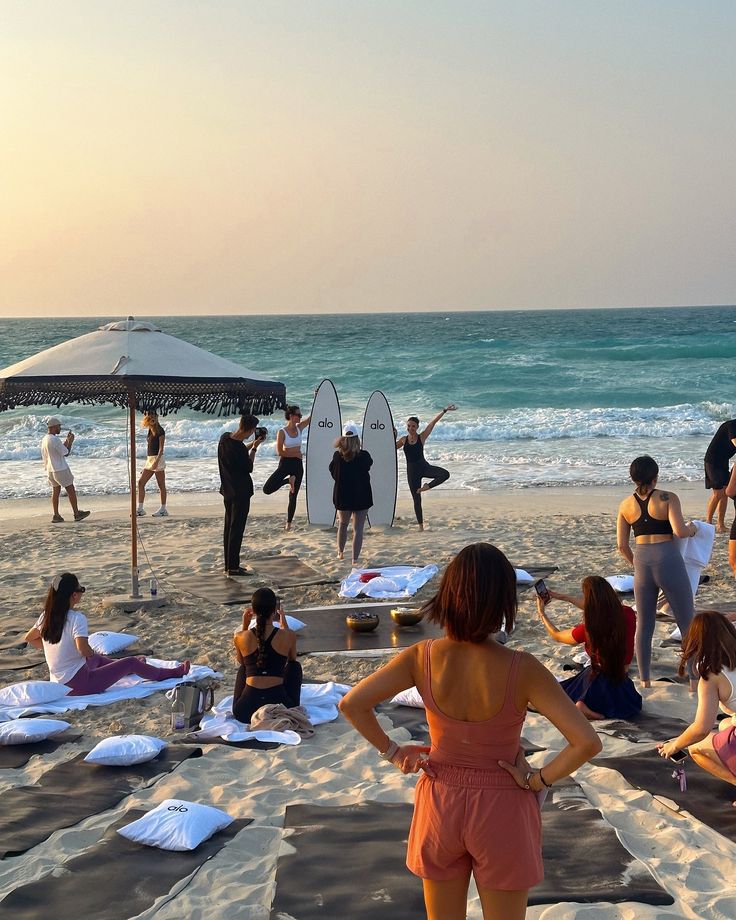
High-profile creator trips from brands such as Tarte Cosmetics and Alo Yoga have demonstrated the power of experiential marketing to generate millions of impressions long after the event itself has ended. Whether it’s a luxury retreat in Bora Bora or a wellness-focused getaway in the Mediterranean, these experiences turn creators into brand storytellers, producing a constant stream of authentic content across TikTok, Instagram and YouTube.
But brands don’t need a private island or a six-figure travel budget to achieve the same effect.
The most successful influencer events are built around three key principles: community, participation and shareability.
Take the Venus x Girls Bathroom Party activation, which tapped into an existing creator community to spark conversation by creating a girls’ bathroom-inspired experience that celebrated the brand and spoke directly to its vibrant, young, and body-positive audience.
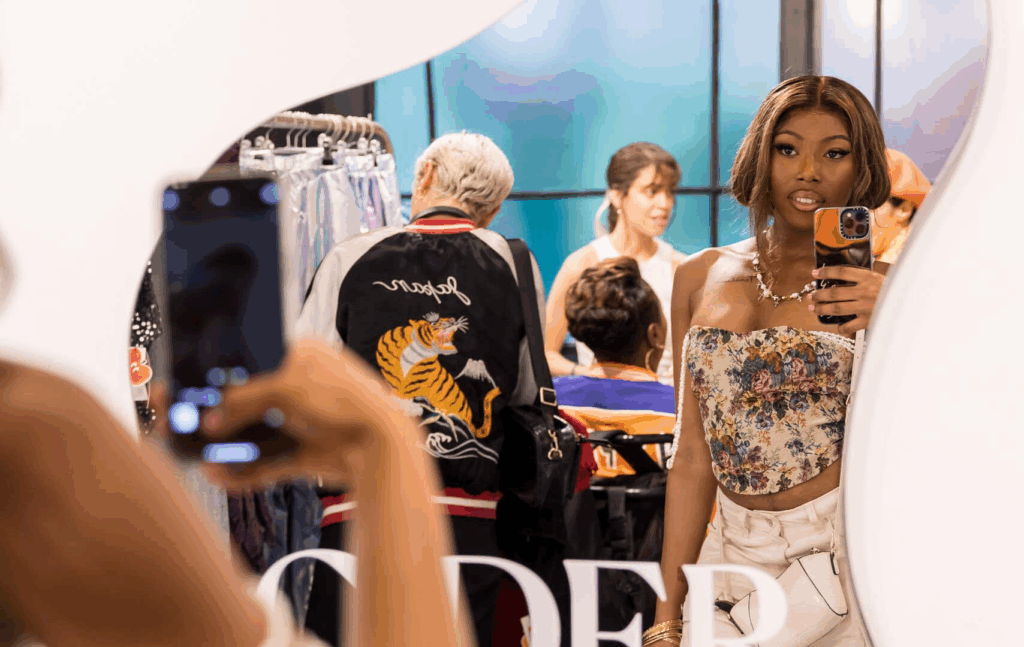
Similarly, the Express Your e.l.f. pop-up transformed traditional product sampling into an interactive experience designed for content creation where influencers came for a walkthrough experience including live DJ, makeup station, and photo ops. Fashion brand Cider adopted the same approach with its Styling Suite Pop-Up, giving influencers a personalised space to experiment with styling, create content and showcase products in a more authentic context than traditional advertising allows.

Even campaigns outside the beauty and fashion sectors are embracing influencer-first thinking. Fairy’s Skip the Soak activation turned an everyday household message into a memorable experience, proving that any brand can create moments worth sharing when experiential and social strategies work together. The lesson for experiential marketers is clear: design for amplification, not just attendance.
The most successful campaigns don’t end when guests leave the venue. They continue through creator content, user-generated posts and online conversations that extend the lifespan and impact of the experience.