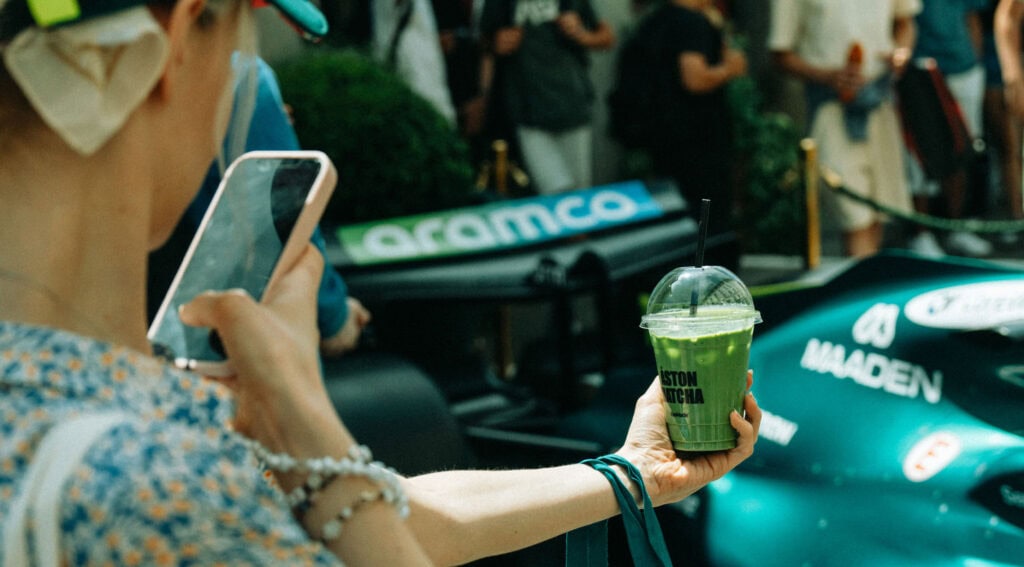
In a world where consumers are exposed to thousands of adverts every day, grabbing attention is no longer the biggest challenge for brands. The real challenge is being remembered. This is why live brand experiences, pop-ups, and experiential marketing campaigns have become such an important part of modern marketing strategies. They give people something more than an advert or social post. They create moments people can actually experience. But interestingly, customers rarely remember every detail of an activation. They remember how the experience made them feel.
People Remember Emotion More Than Information
Most customers will not leave an event remembering every product feature or campaign message. What stays with them is the emotion connected to the experience. That emotion could be excitement, surprise, nostalgia, exclusivity, curiosity, or simply enjoyment. Strong experiential campaigns create a feeling around the brand, and that feeling is often what influences future buying decisions. This is what makes live experiences so powerful. They allow brands to create emotional connections in a way traditional advertising often cannot.
Interaction Creates Stronger Memories
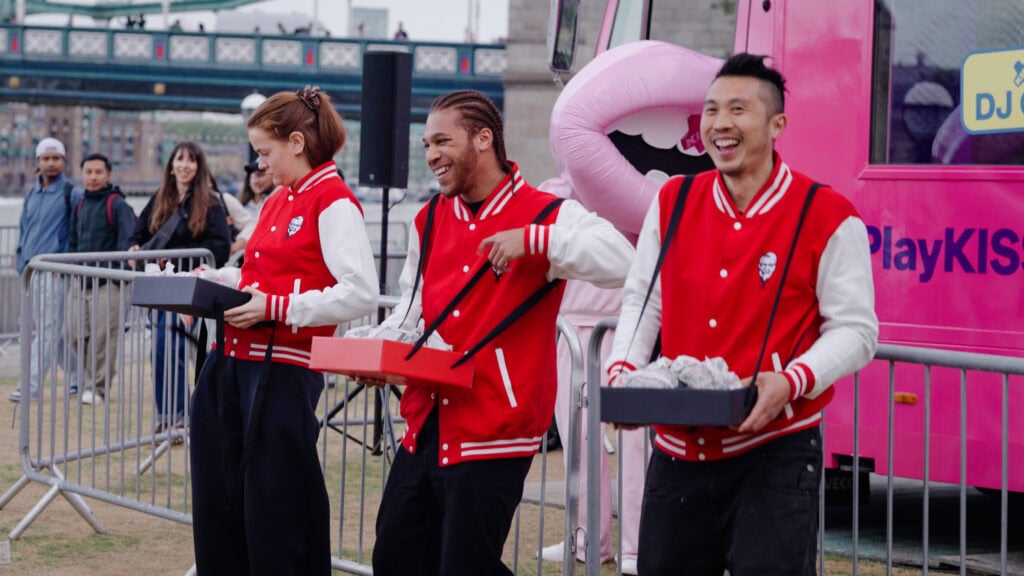
People remember experiences they actively took part in far more than experiences they simply observed. Interactive elements such as product personalisation, live demonstrations, games, immersive installations, and hands-on activities all help customers feel involved rather than marketed to. Participation naturally increases attention, engagement, and memory retention. The more involved someone feels in the experience, the more likely they are to remember both the moment and the brand behind it.
People Remember Moments They Can Share
One of the biggest strengths of experiential marketing is that memorable moments naturally become shareable moments. Customers are far more likely to post content when something feels visually interesting, unexpected, or genuinely enjoyable. The best activations do not force social sharing – they create experiences people want to talk about. This not only increases reach online but also reinforces the memory of the experience itself. Sharing an event helps customers relive it, which strengthens their connection to the brand even further.
Simplicity Often Has the Biggest Impact
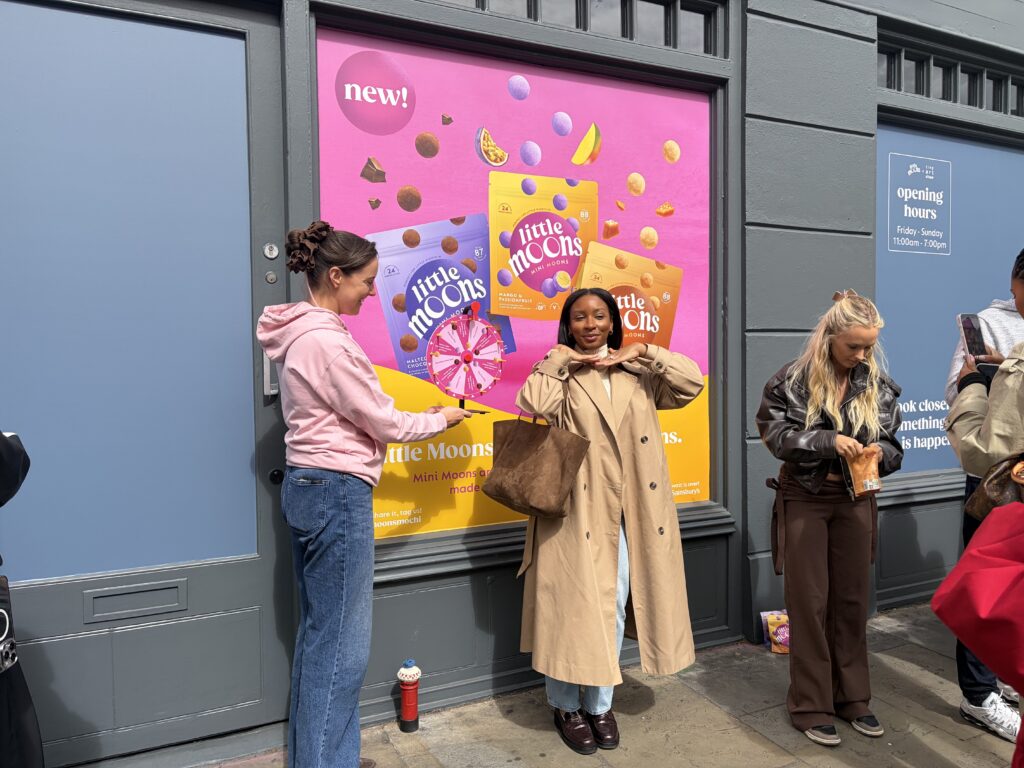
Many brands assume bigger always means better, but the most memorable activations are often built around one clear idea executed well. Overcomplicated experiences can dilute the message and make it harder for customers to connect with the brand. The strongest campaigns usually focus on creating one memorable moment or emotion rather than trying to do everything at once. Clear concepts are easier for customers to understand, remember, and share.
The Experience Becomes the Brand
For many customers, a live activation becomes part of how they view the brand itself. If the experience feels premium, exciting, creative, or engaging, those same qualities become associated with the company behind it. In many cases, customers judge the brand less by what it says and more by how the experience felt in the moment. This is why experiential marketing is about far more than temporary attention. Done well, it shapes long-term perception and builds stronger emotional connections with customers.
Final Thought
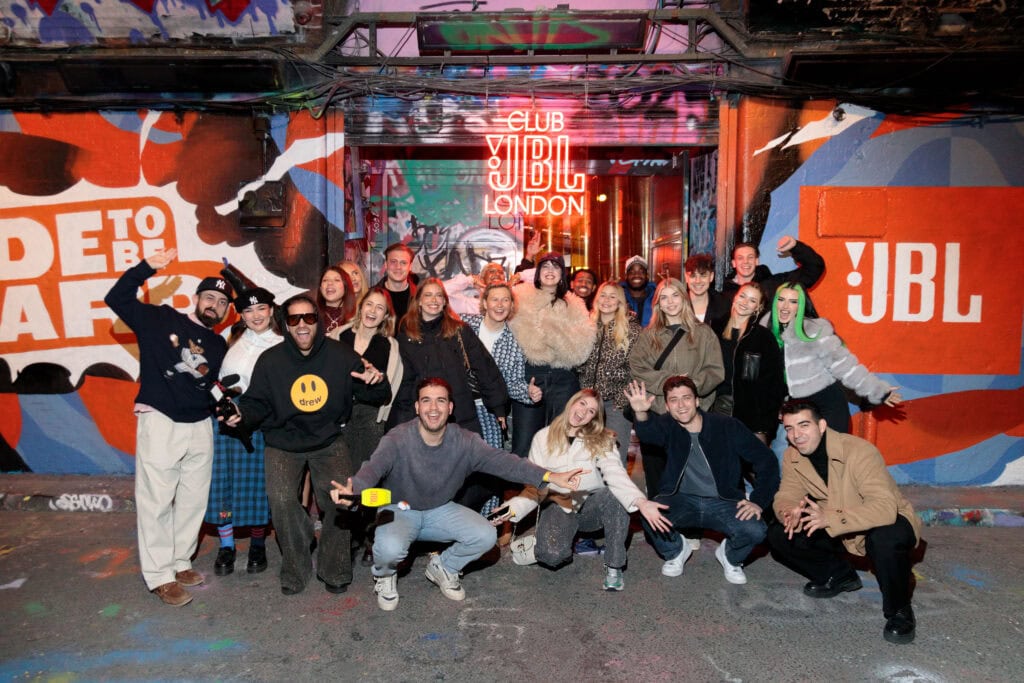
Customers may forget individual campaign messages, but they rarely forget experiences that made them feel something. The most effective live brand experiences are not simply designed to attract attention. They are designed to create emotional reactions, memorable interactions, and meaningful connections that last beyond the event itself. Because ultimately, people do not just remember what they saw, they remember how the brand made them feel.