As we enter a new year, conversations around 2026 trends are already taking shape. Across marketing and brand insights, one clear theme continues to emerge: the importance of real-life experiences.
Brands are increasingly recognising that attention alone holds little value without trust. In today’s landscape, trust is built through in-person connection. This shift has made experiential marketing not just desirable, but essential in helping brands achieve meaningful impact. Below are the key trends set to define the experiential space in 2026, many of which are already gaining momentum across industries.
Influencer Dinners & Trips
In 2026, curated influencer events and hosted trips are moving away from overt promotion and towards cultural relevance. Brands are prioritising who is in the room just as much as what the experience is – bringing together creators, tastemakers, and communities in environments that feel intentional rather than staged. The result is more organic storytelling, deeper trust, and content that resonates because it’s built on genuine interaction, not performance.

Pop-Ups
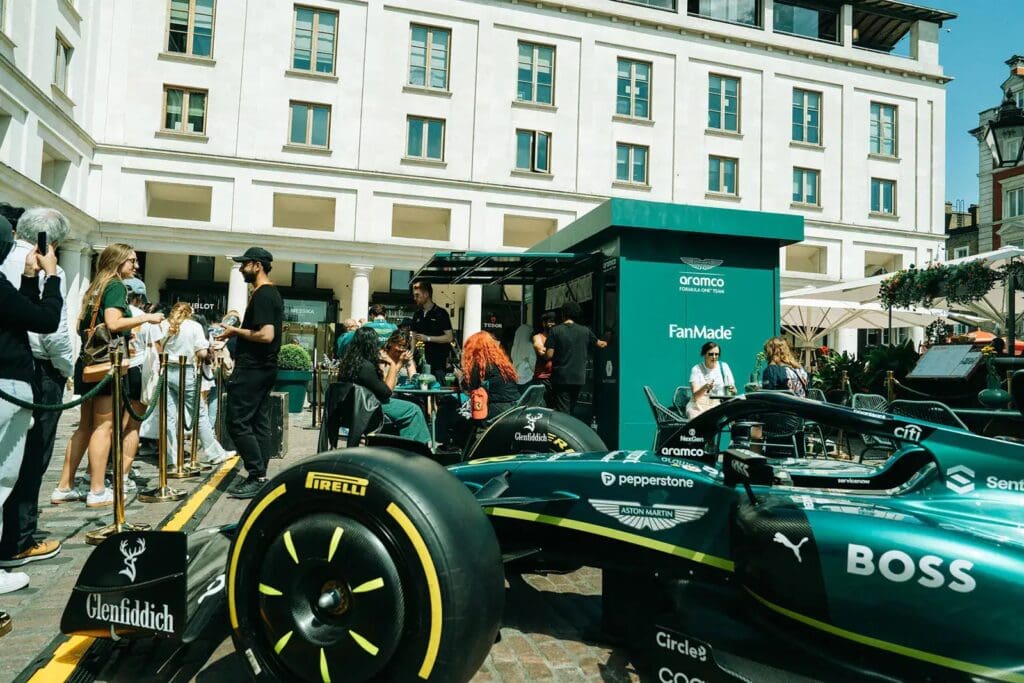
Pop-ups continue to dominate as brands double down on physical presence following a strong surge in 2025. From short-term retail concepts to fully immersive brand worlds, pop-ups are being used to test ideas, launch products, and connect with audiences in real life. Their temporary nature allows brands to stay agile, create urgency, and deliver memorable experiences that cut through an increasingly digital-first landscape.
The Power of Details
In 2026, it’s the smallest details that are making the biggest impact. From branded butter and custom ice cubes to logo napkins and thoughtfully styled tablescapes, brands are leaning into tactile, considered touches that elevate the guest experience. These Pinterest-worthy moments turn everyday interactions into immersive brand expressions, reinforcing identity in a subtle, memorable, and highly shareable way.

Conclusion
As 2026 unfolds, one thing is clear: real-life connection is no longer optional—it’s foundational. Brands that invest in thoughtful, in-person experiences are building more than awareness; they’re building trust, relevance, and lasting impact. From immersive pop-ups to curated gatherings and meticulous details, experiential marketing is evolving into a powerful tool for meaningful brand storytelling. In a world oversaturated with digital noise, the brands that show up in real life will be the ones that truly stand out.