From the first creative spark to the final reveal, discover how strategy, storytelling, design, and technology come together to create unforgettable brand experiences.
An immersive brand experience is more than a beautifully designed space or an eye-catching installation. It is an opportunity to bring a brand to life, invite audiences into its world, and create meaningful connections that last long after the experience ends. But what does it take to turn an ambitious creative vision into a fully realised experience? Behind every immersive environment is a carefully orchestrated process that blends creativity, strategy, technology, and meticulous execution.
1. Starting With the Story
Every great brand experience begins with a story. Before exploring materials, lighting, digital installations, or spatial design, the first step is understanding the brand itself. What does it stand for? Who is it speaking to? And, most importantly, what should people feel, discover, or remember when they engage with it?
These questions establish the creative foundation for the entire project. Rather than simply displaying brand messaging, the goal is to translate the brand’s identity into something audiences can experience for themselves. From defining the central concept to mapping the audience journey, every decision should support a clear narrative. When the story is right, the experience becomes more than a collection of visual moments; it becomes a cohesive and purposeful brand world.
2. Turning Ideas Into Reality
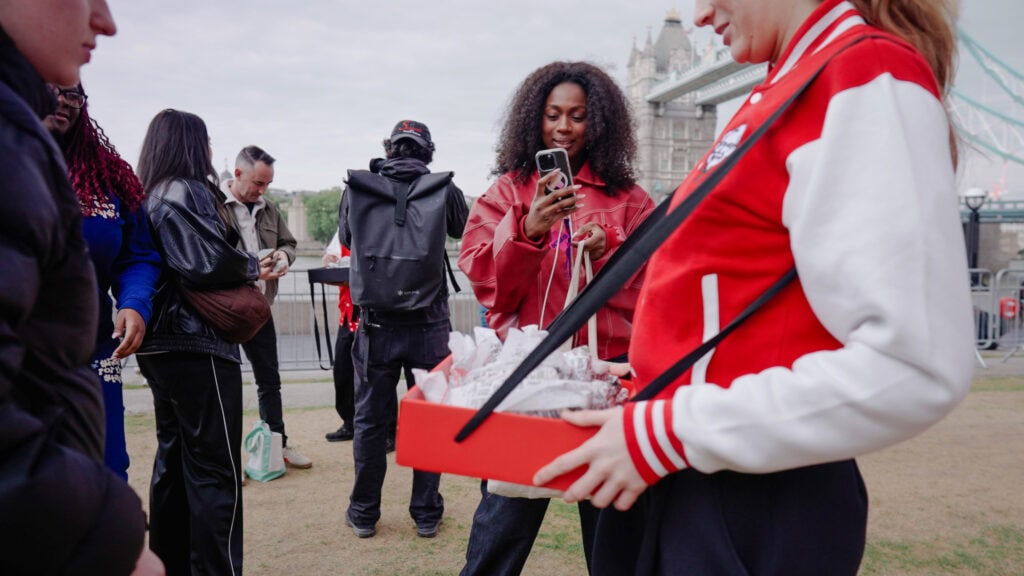
Once the creative direction is established, the build begins to take shape. This is where imagination meets practical problem-solving. Concepts are developed into spatial layouts, technical drawings, material selections, prototypes, and production plans. Every element must work together to create an environment that feels seamless to the audience. The challenge lies in balancing ambition with feasibility. A visually striking concept must also account for the physical space, visitor movement, accessibility, safety, technical requirements, and installation timelines.
Collaboration is essential at this stage. Designers, creative teams, producers, fabricators, and technical specialists work together to identify opportunities, solve challenges, and ensure the original vision remains intact throughout development. The result is a design that doesn’t simply look impressive on screen, but works beautifully in the real world.
3. Designing for All the Senses
Immersion happens when people feel part of the experience rather than simply observing it. Visual storytelling may establish the atmosphere, but considered lighting, sound, textures, movement, and interactive elements can take that connection further. Each sensory detail contributes to how visitors perceive and navigate the environment.
Lighting can transform the mood of a space. Sound can guide attention and build anticipation. Digital touchpoints can encourage exploration, while thoughtfully selected materials can reinforce the personality and values of the brand. The key is intentionality and purpose, with the main story at heart it should be about complementing each other not trying to grab attention. When these details work in harmony, the environment feels intuitive, engaging, and memorable.
4. Where Creativity Meets Technology

Technology can unlock extraordinary possibilities for immersive experiences, from responsive digital environments and projection mapping to interactive installations and augmented reality.
However, the most effective use of technology is not necessarily the most complex. It is the technology that makes the experience more meaningful. The starting point should always be the audience and the story. What would make the experience more engaging? Where could interaction create a stronger emotional connection? How can digital elements enhance the physical environment without distracting from the brand message? Answering these questions helps ensure that technology serves the creative vision. When everything comes together, technology becomes almost invisible, allowing the audience to focus on the experience itself.
5. The Details That Make the Difference
The difference between a good brand experience and a great one often lies in the details. It might be the way a visitor is welcomed into the space, how one installation leads naturally into the next, or the moment an unexpected interaction creates genuine delight. These moments rarely happen by accident. They are shaped through careful planning, prototyping, testing, and refinement.
Operational details matter just as much. Installation schedules, supplier coordination, contingency planning, quality control, and on-site adjustments all play a vital role in bringing the experience to life. The build process is rarely entirely linear. Creative ideas evolve, practical challenges emerge, and solutions are refined along the way. The ability to adapt while protecting the integrity of the original vision is what keeps a complex project moving forward.
6. From Installation to Opening Day
As the opening approaches, individual components begin to form a complete environment. Structures are installed, surfaces are finished, The production team works through the final details to ensure the experience is ready to welcome its audience. This is where the value of collaboration becomes particularly clear. The success of the final result depends on every team understanding how their contribution fits into the bigger picture. Final walkthroughs help identify anything that needs attention before visitors arrive. Then comes the moment when the doors open and the creative vision moves beyond the build team, becoming a living experience shaped by the people who enter it.
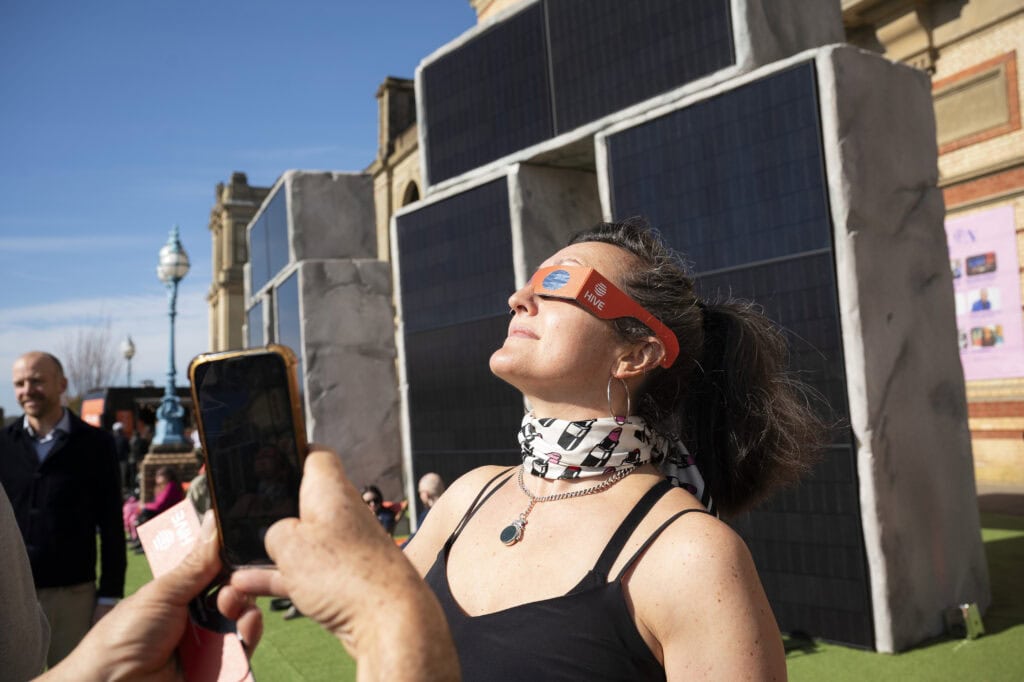
In celebration of the solar eclipse, Hive’s ‘Solar Henge’ viewing party at Alexandra Palace recreated the ancient monument, built from solar panels to harness the sun’s energy.
7. Creating Impact That Lasts
The true success of an immersive brand experience extends beyond its physical footprint. A memorable environment can encourage discovery, spark conversation, strengthen emotional connections, and give people a fresh perspective on a brand. It can also generate content and social sharing that allow the experience to reach audiences far beyond the original location. To understand its impact, brands can look at a combination of measures, including visitor engagement, dwell time, interaction rates, audience feedback, social reach, and the achievement of specific campaign objectives. These insights help reveal what resonated with audiences and how future experiences can become even more effective. Ultimately, the strongest experiences create value on two levels: they deliver against the brand’s objectives while giving audiences something genuinely worthwhile in return.
Bringing the Vision to Life
Behind every immersive brand experience is a combination of bold thinking, detailed planning, technical expertise, and creative collaboration. From the first conversation to the final installation, every stage contributes to something bigger than the individual elements. The design, technology, storytelling, and production must work together to create an experience that feels authentic, cohesive, and impossible to forget. Because the real magic isn’t simply in what people see. It’s in what they feel, what they discover, and what they take away with them. That’s what happens when a brand moves beyond telling its story and gives people the opportunity to step inside it.