Experiential marketing has evolved far beyond “nice-to-have” brand moments and has become an essential part of modern marketing. Today, the most effective activations are built to deliver measurable impact, from PR reach and social sharing to meaningful commercial results. The difference lies in how well the idea connects with real human behaviour and society. Here are 8 projects we have delivered at Sketch and why they worked.
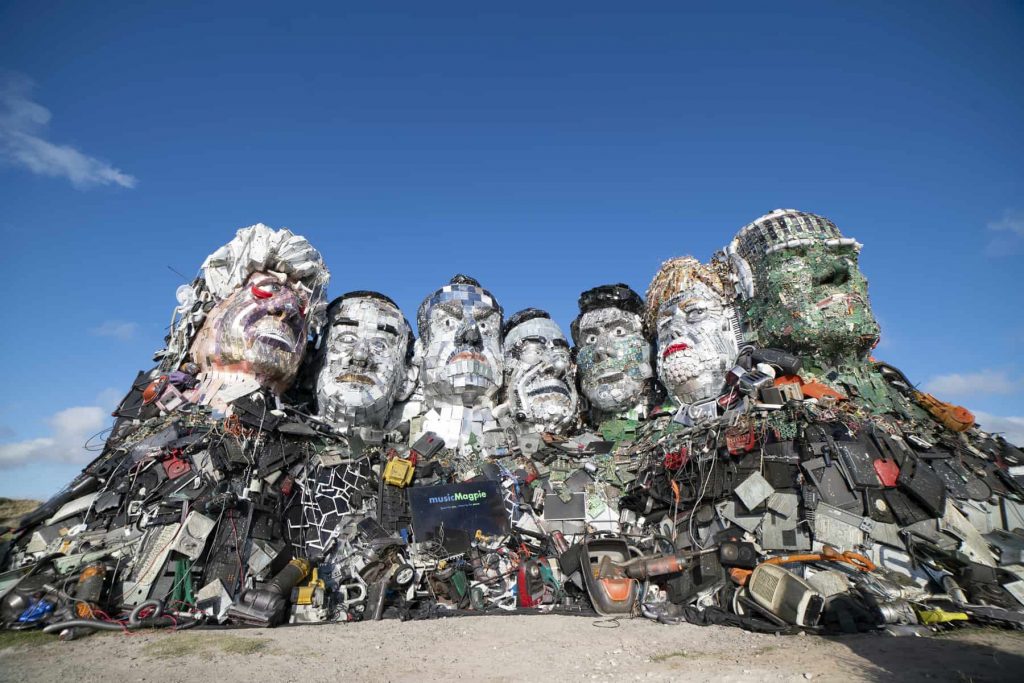
1. The Giant Stunt: MusicMagpie’s Mount Recyclemore
Large-scale stunts remain one of the most powerful ways to capture attention. A standout example is MusicMagpie’s Mount Recyclemore, a monumental sculpture built entirely from e-waste, reimagining Mount Rushmore. Its sheer scale made it impossible to ignore, transforming a sustainability message into a physical landmark people wanted to photograph and share. This type of activation drives widespread PR coverage and creates a bold, ownable brand moment. If it dominates the space, it will most likely dominate people’s attention too.
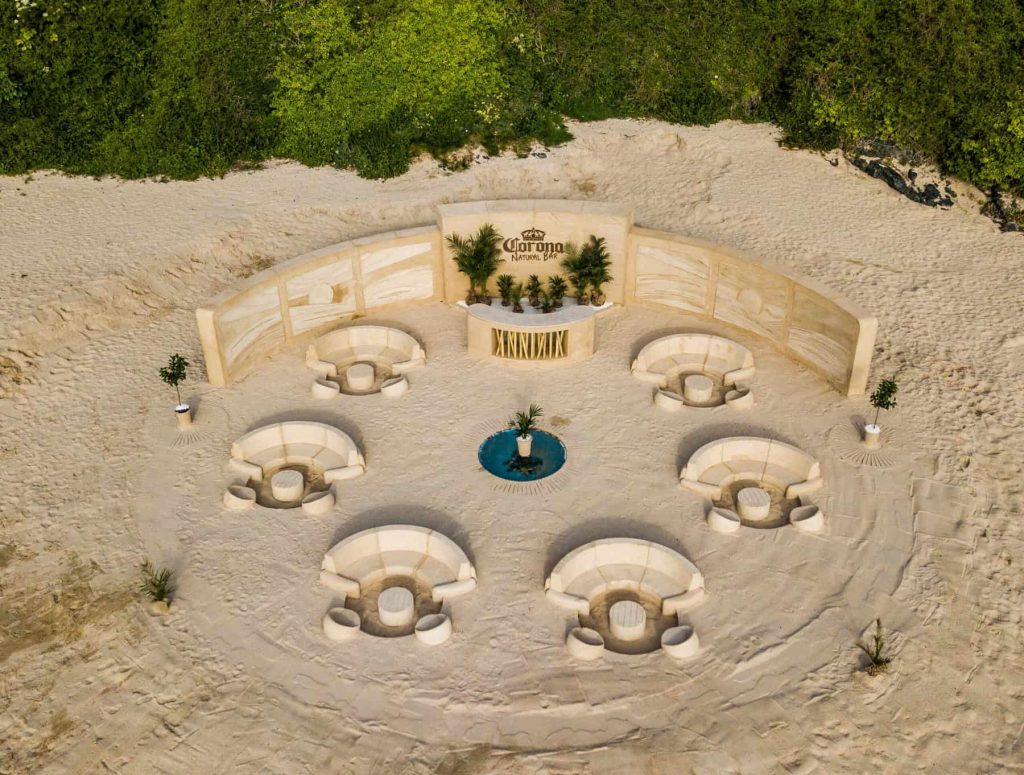
2. The Immersive Brand World: Corona Natural Bar
Immersive experiences allow audiences to step directly into a brand’s universe. Corona’s Natural Bar, a fully integrated beach bar built from natural materials, is a strong example of this approach. Rather than simply communicating a message, it invited people to live the brand. This shift from telling to experiencing leads to longer dwell time, stronger brand recall, and deeper emotional engagement. The takeaway is simple: don’t describe the brand, create something people can interact with and see what it stands for.
3. The “You’re Part of the Story” Activation: Little Moons’ Mini Parlour
Interactive activations that place the audience at the centre consistently outperform passive experiences. Little Moons’ Mini Parlour brought this to life through a playful pop-up that invited visitors to actively participate in the brand world. People are far more likely to share experiences they are part of, rather than ones they simply observe. This approach drives high engagement, large volumes of user-generated content, and strong social amplification. The key is to make the audience the focus.
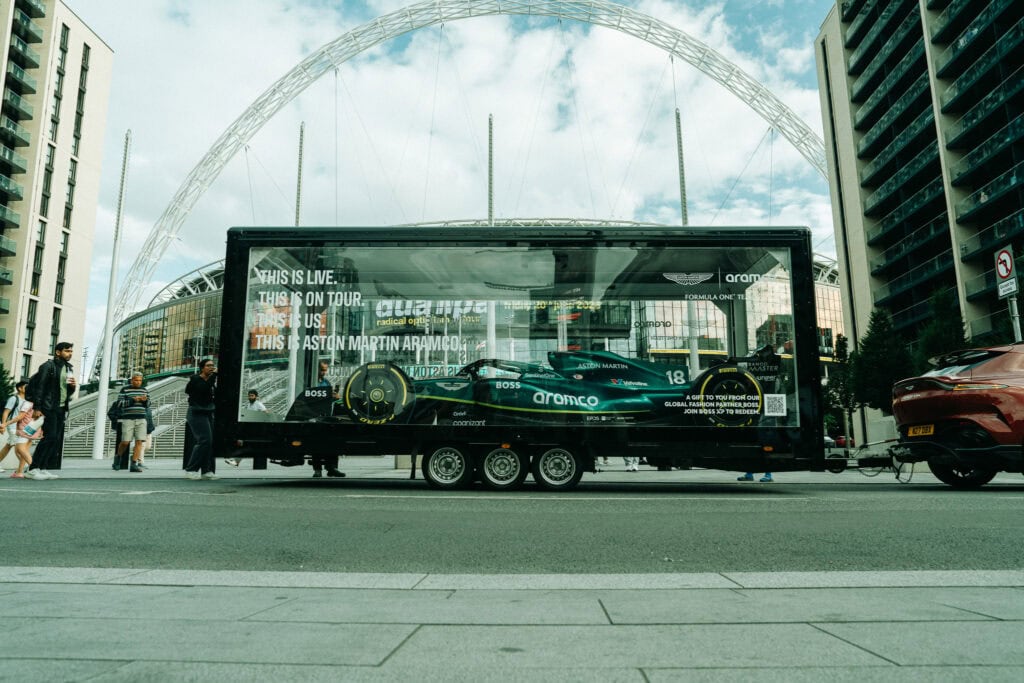
4. The PR Stunt With a Headline: The Great British Road Trip
The most successful PR stunts are designed for storytelling, not just visibility. A strong concept with a clear narrative ensures the idea travels far beyond its physical execution. For example, the Aston Martin Great Roadshow project was built around a clear, ownable story that extended beyond the live moment and into wider content and PR. When an activation has a compelling headline, it earns national press coverage, drives high earned media value, and scales brand awareness quickly. If it doesn’t have a headline, it won’t travel well.
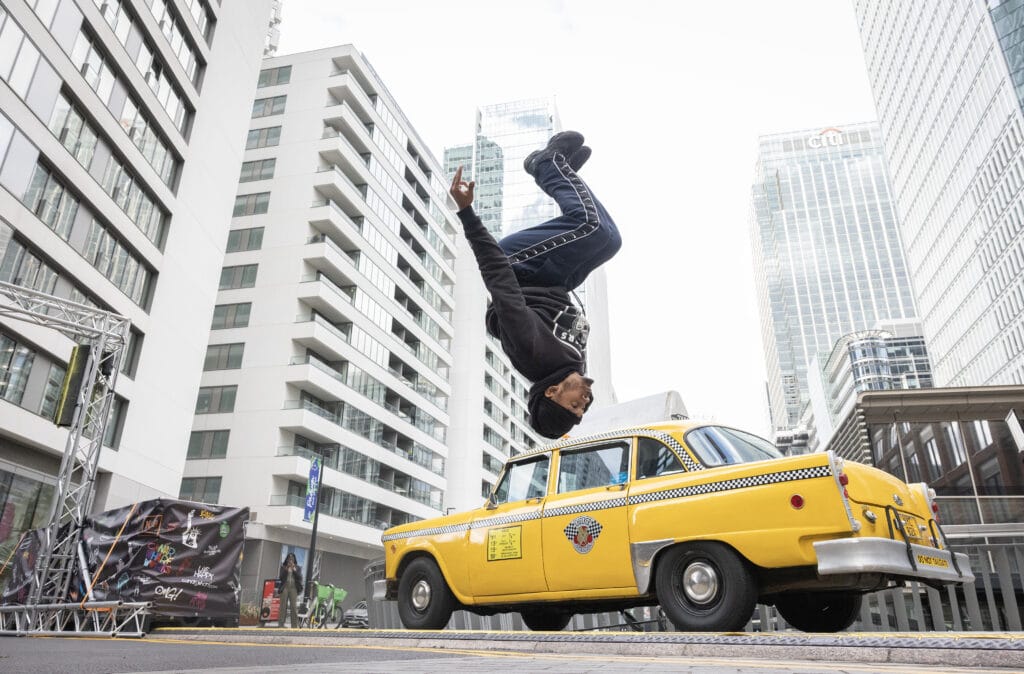
5. The Unexpected Location Takeover: New York in Canary Wharf
Activations placed in unexpected environments naturally amplify impact. Bringing something familiar into an unfamiliar setting disrupts routine and captures attention more effectively. For example, transporting a New York-style experience into Canary Wharf created a moment of surprise and memorability. The more unexpected the setting, the more likely people are to stop, engage, and share.
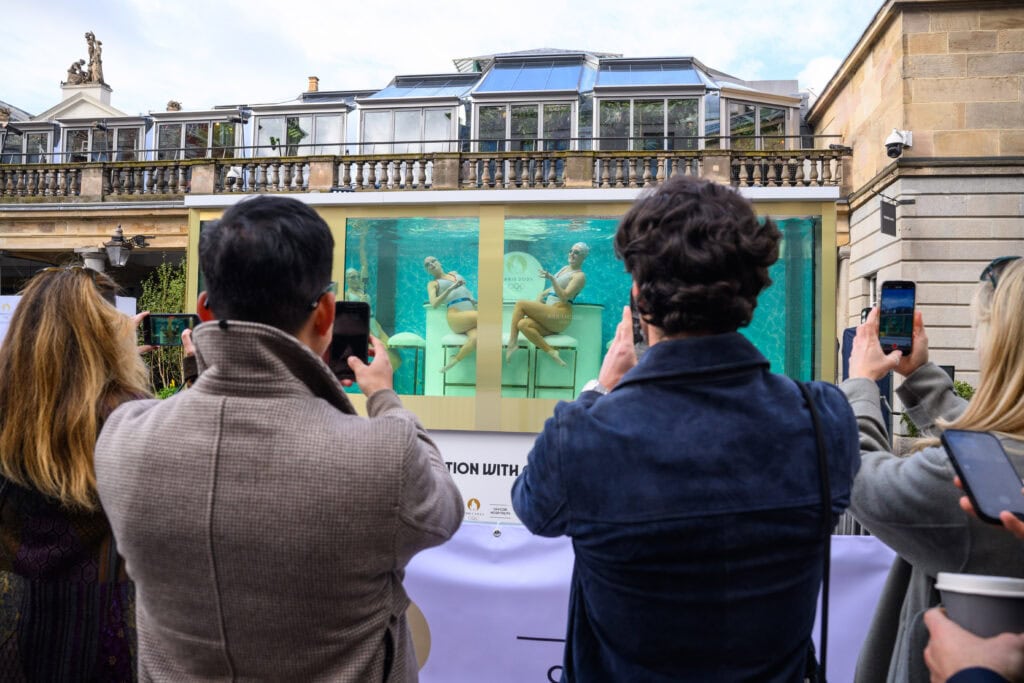
6. The Live Performance Moment: The Paris Olympics “100 Days to Go”
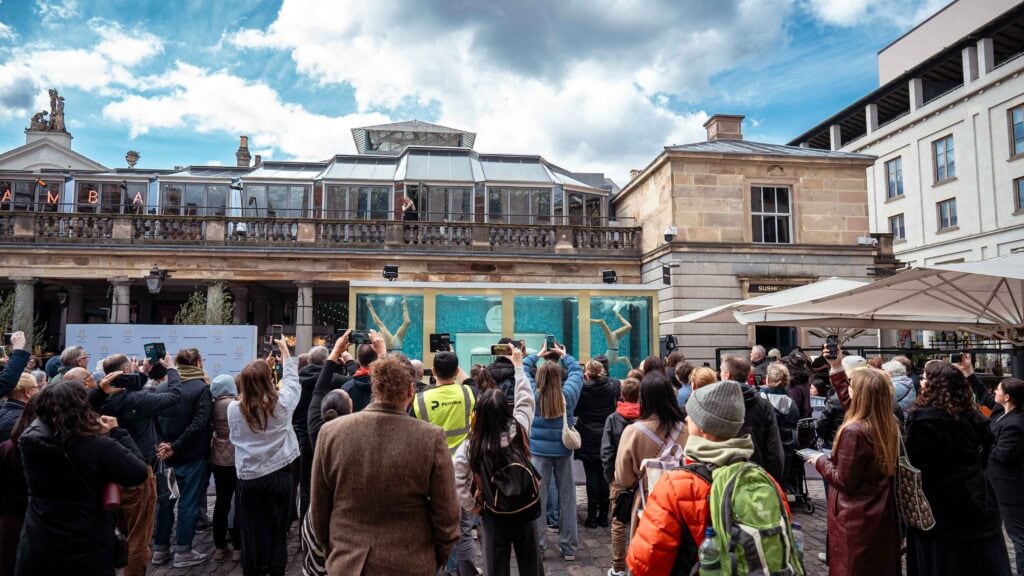
Live performances add energy and movement to an activation, making them natural crowd magnets. The Paris Olympics “100 Days to Go” hospitality moment demonstrated how performance can draw people in and hold attention. Movement creates momentum, encouraging footfall, increasing dwell time, and boosting on-site engagement. Quite simply, if it moves, it pulls people in.
7. The “Limited Access” Experience: JBL Club London
Exclusivity is a powerful driver of desirability. JBL Club London used a controlled-entry model to create a premium, curated sound experience. By limiting access, the activation increased perceived value and encouraged deeper engagement from those who attended. It also drove stronger content creation and heightened brand perception. Not everyone needs to get in… Just everyone needs to want to.
8. The Purpose-Led Activation: Innocent’s The Big Re-Wild
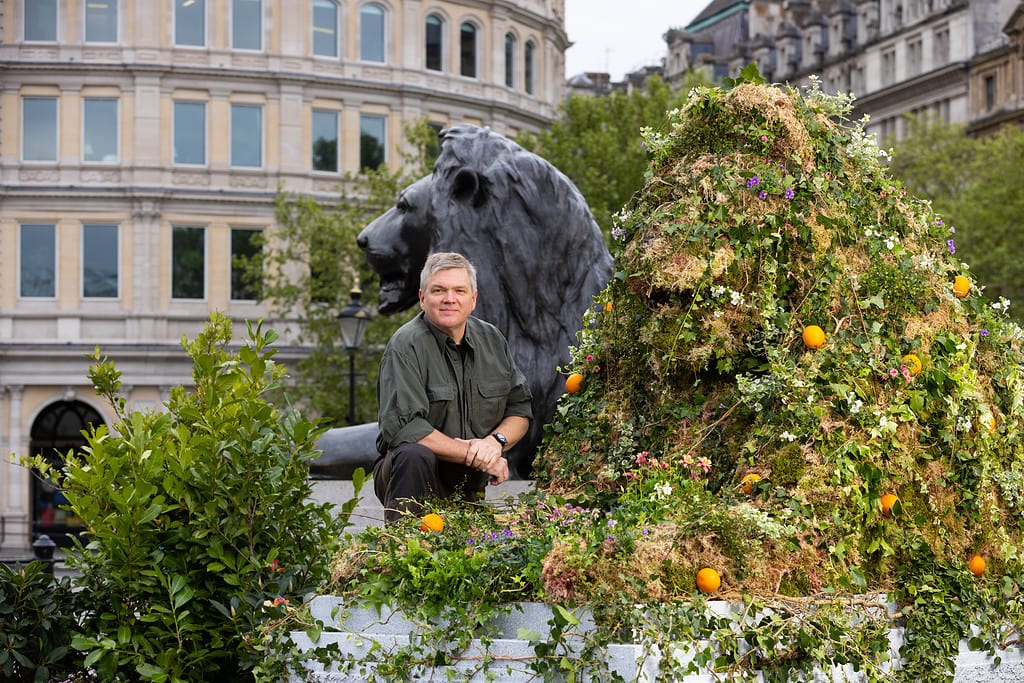
Purpose-driven experiences resonate on a deeper level. Innocent’s The Big Re-Wild is a strong example of how aligning with a meaningful cause can drive both engagement and advocacy. When people feel an activation stands for something, they are more likely to connect emotionally and share it. This leads to increased trust, positive PR, and stronger brand perception.
Conclusion
The most effective experiential marketing doesn’t start with the brand; it starts with behaviour. Understanding why people engage, share, and care is what turns a good idea into a high-performing one. At Sketch, we create experiential marketing campaigns, brand activations, PR stunts, and immersive experiences designed to deliver real results, from engagement and PR to measurable commercial impact. If you’re planning your next activation, ask one simple question: why will people care, and why will they share?